
Why Hyperpigmentation Gets Worse in Warmer Months (and how to manage it properly)
Hyperpigmentation is something I discuss with patients almost daily in clinic. It’s a common concern, and one that often becomes more noticeable — and more frustrating — around the holiday season.
Last week I talked about why quick-fix products rarely deliver lasting results when it comes to pigmentation. This week, I want to explain why this time of year matters so much when managing uneven skin tone.
As we spend more time outdoors and in the sun — whether intentionally or not — pigmentation almost always becomes darker and more difficult to manage.
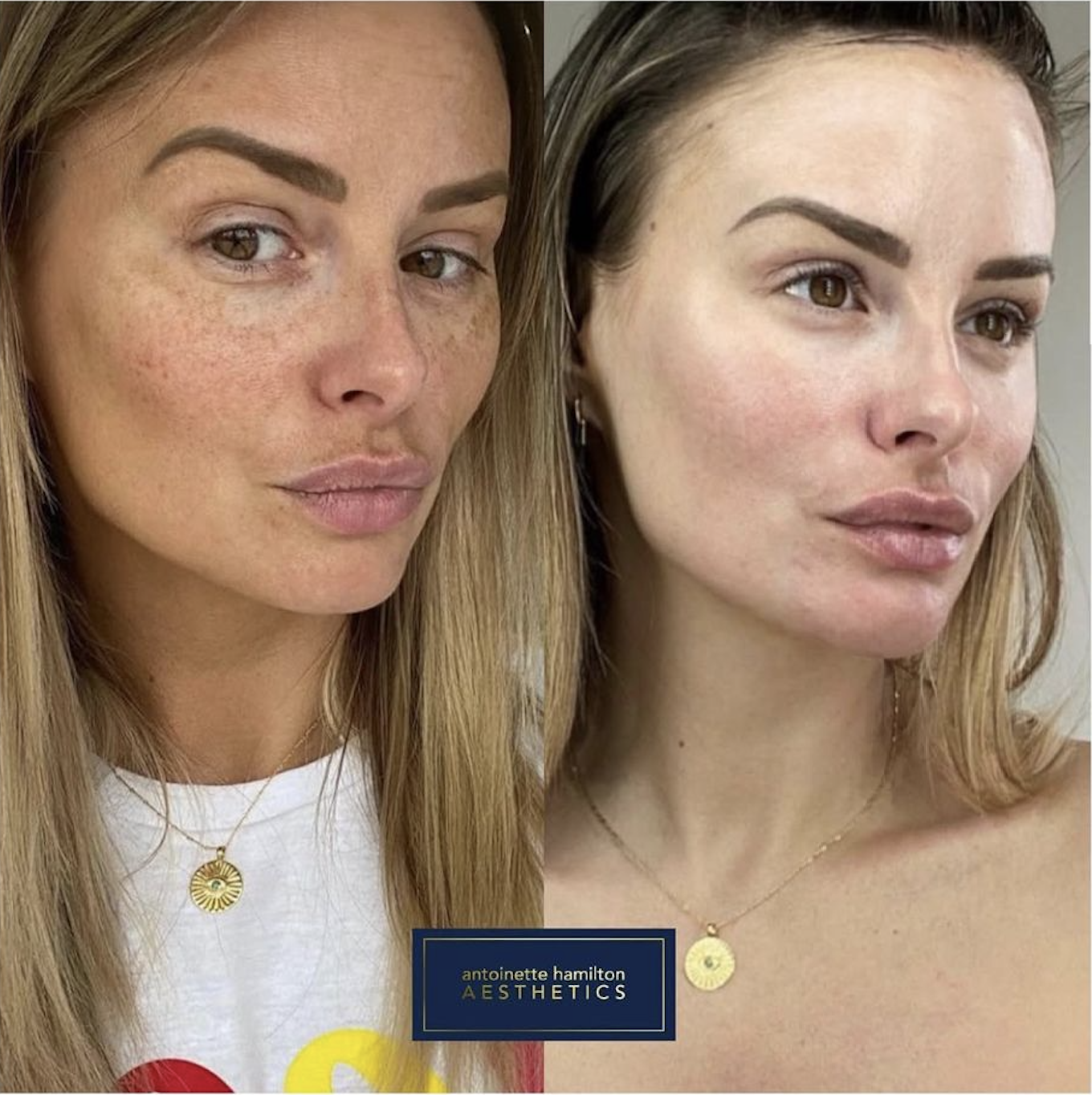
Understanding Pigment
Pigmentation isn’t just surface-level sun damage. It is a complex skin condition that can vary in severity, and for some patients — particularly those with melasma — it can be a long-term condition that requires ongoing management.
Skin gets its colour from a substance called melanin. Melanin is produced by specialised cells called melanocytes, which sit deeper within the skin. When these cells become damaged or overstimulated, they begin to produce too much melanin. This excess melanin can cluster together, causing areas of the skin to appear darker or uneven.
Melanocytes can be triggered by a number of factors, including:
UV exposure
Heat
Hormonal changes
Inflammation
Environmental stress
Once melanocytes are activated, they don’t simply switch off again, this is why pigmentation often returns or worsens without the right treatment and protection in place.
Why pigmentation can worsen in warmer months
During the spring and summer months skin is further exposed to increased levels of UV radiation and heat. Even incidental exposure, such as walking outside or sitting near a window, can stimulate melanocytes and trigger pigment production.
For patients who are already prone to hyperpigmentation, this stimulation can undo progress very quickly if the skin isn’t properly protected and supported. This is why managing pigmentation requires more than just treating what is visible on the surface, it requires a structured approach that focuses on protection, prevention as well as correction.
A structured approach to hyperpigmentation
Treating pigmentation properly starts with correct diagnosis and a consistent treatment plan. Without this, results are often temporary or substandard.
Step 1: Regulating Pigment Production
When melanocytes become overstimulated, they produce excess melanin. Effective treatment focuses on regulating pigment production at a cellular level, helping to reduce the formation of new pigmentation over time.
Step 2: Supporting Healthy Skin Renewal
Pigmented skin cells need to be replaced in a controlled and healthy way. Encouraging regular skin renewal helps to gradually improve skin tone whilst supporting overall skin health.
Step 3: Protecting the Skin
Sun protection is an essential part of any pigmentation treatment plan. Without daily SPF, pigmentation will often return, particularly during warmer months or when travelling in sunnier climates.
Protection is not a non negotiable step; it is a key part of maintaining results and preventing further damage.
The Bigger Picture
Pigmentation does not improve overnight, with the right approach most patients begin to see visible improvement within 4–6 weeks, with continued improvement over 12 weeks and beyond.
The difference is consistency, correct product selection, and ongoing guidance.
If you’re concerned about pigmentation or uneven skin tone, a consultation is the first step towards understanding your skin. A consultation includes a thorough assessment, digital skin analysis and a bespoke treatment plan. Click here to book yours.
Because successful pigmentation treatment is built on the right approach, not temporary solutions.