
The Step Everyone Skips… Until It’s Too Late
There’s a pattern I see time and time again in clinic…Clients invest in high-quality skincare. They commit to regular treatments. They’re actively trying to improve pigmentation, manage breakouts, slow the signs of ageing, and restore overall skin health, yet they often feel their results fall short of expectations.
On reviewing routines, the reason usually becomes clear very quickly!
SPF is inconsistent, used occasionally, or viewed as something that only matters in direct sunshine. It’s completely understandable, living in the UK, sun protection isn’t always at the forefront of our mind. If it’s not hot, if you’re not on holiday, SPF can feel unnecessary but this is exactly where the issue begins. In many cases, the difference between maintaining results and constantly chasing them comes down to this one, often overlooked, step.
Skin damage is rarely immediate or obvious, it develops gradually, accumulating over time, often remaining invisible until it presents as concerns you then try to correct—pigmentation, fine lines, uneven skin tone, dark spots or loss of elasticity. By this stage, the damage has already occurred.
What’s often overlooked is that UV exposure is constant and present all year-round, penetrating through cloud cover and glass, during everyday activities such as driving, walking, or simply sitting near natural light. It’s not about intensity—it’s about regular exposure over time.
This is why SPF is, without question the most important step in any skincare routine. SPF not only provides almost instant protection but also preserves everything else you are doing within your routine. Without daily protection, progress is continually being compromised and anti-ageing steps become a useless task.
This becomes even more critical when managing pigmentation. Melanocytes—the cells responsible for pigment production—are highly sensitive to UV exposure. Once stimulated, they do not simply switch off, which is why pigmentation can return quickly, even when you feel you’ve been consistent with treatments/skincare.
The same principle applies to skin ageing. UV exposure is one of the primary contributors to collagen breakdown, directly impacting the skin’s firmness, structure, and overall longevity.
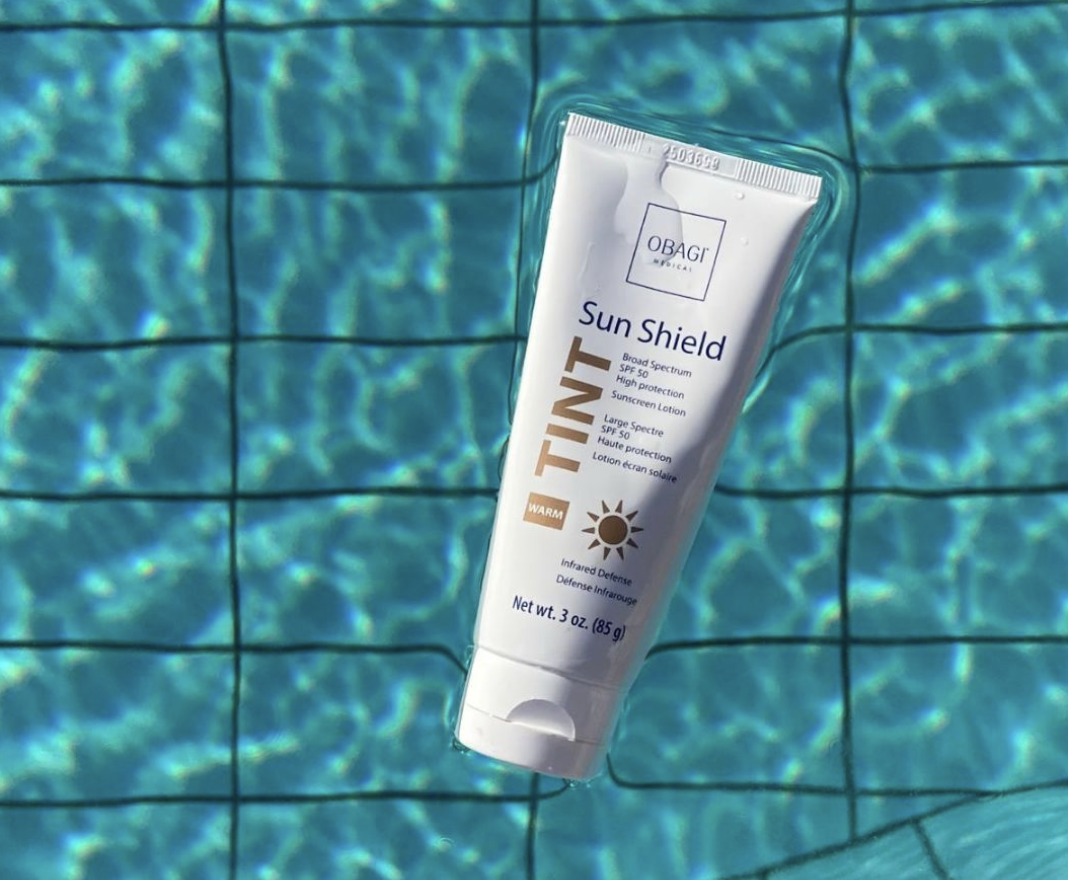
Finding an SPF that feels comfortable and wearable is key to maintaining that consistency. If a product feels heavy, greasy, or doesn’t sit well under makeup, it becomes something you avoid rather than prioritise. This is why I often recommend Obagi SPF’s, they provides broad-spectrum protection while remaining lightweight and aesthetically pleasing on the skin, making it far easier to incorporate into a daily routine; it supports the skin, rather than feeling like an additional layer.
If you’re unsure whether your current routine is truly supporting your skin, or you’re struggling with concerns such as pigmentation, ageing, or uneven tone, a consultation is the best place to start. A thorough assessment allows us to understand your skin in detail and create a tailored, long-term treatment plan that delivers sustainable results.